

Grace Rewires What Sin Distorts
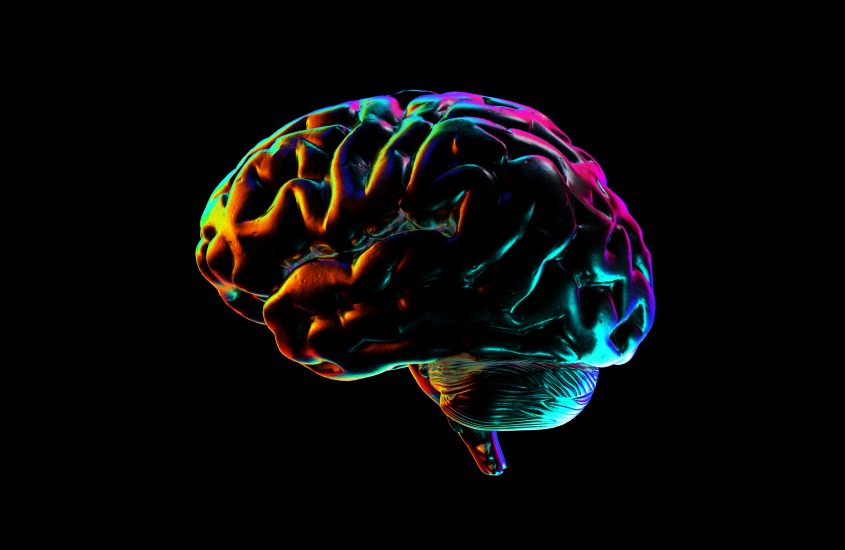
Jesus was fully God and fully human. Which means Jesus had a human brain.
The basic components of his brain were identical to yours and mine. He was born as a baby. His neurons began growing rapidly. His parents and village played a role in shaping those early neural pathways. He likely experienced a normal adolescent brain growth spurt, which we catch a glimpse of that at age twelve, sitting in the temple, learning, teaching, and engaging with questions. Luke 2:41-52.
When Jesus was crucified in his mid-thirties, his brain likely contained around 100 billion neurons, each with thousands of connections to other neurons. Neurons that fire together wire together.
Here’s where our brains differ from Jesus.
Jesus managed life without sin. He didn’t break his brain with bad habits and bad stuff. This High Priest of ours understands our weaknesses, for he faced all of the same testings we do, yet he did not sin. Hebrews 4:15.
We cannot attain that kind of perfection. You can eat the right foods, think the right thoughts, read your Bible daily, and still fall short. Romans 3:23.
Sin is an example of how neuroscience can inform faith or how science confirms the way God created this world. Sin can be neuroscientifically described as harmful patterns of thought and behavior that get “wired” into the brain, leading us to repeat actions that go against what is good or life-giving. These patterns can feel hard to break because the brain builds strong pathways around them–but with change and renewal (like neuroplasticity shows), new and healthier pathways can form over time. (Time is always a part of this.)
Sin is degrading our brain’s potential. When we don’t honor our relationship with God, several mechanisms degrade our brain and cause us to fall short of our potential.
That’s why sin feels so hard to break. But neuroplasticity also gives us this good news–new and healthier pathways can form. Neurons that fire together wire together. Change is possible. God’s heart is restoration and God designed our brains to be restored. That beautiful design is called neuroplasticity.
Everything we think, say, and do affects brain development—and the relationship goes both ways. Behavior shapes the brain and the brain shapes behavior. Your brain is a pattern-making, pattern-seeking, pattern-completing machine. Those patterns become your habits, your emotional responses, your reflexes.
Every choice you make is shaping/rewiring your brain.
Habits are incredibly freeing. They allow us to do complex things without constant mental effort. I can drive my car and rue over the complicated headlines at the same time. I’m teaching my grandson to drive right now. An hour of driving practice exhausts him and he doesn’t have the space to think deep thoughts. He’s forming new neural connection so he can drive and it is taxing his entire body.
Studies suggest it takes around 66 days of consistent practice for a new behavior to become automatic. (Google for the many studies.) Formation takes time. Formation is possible…for you.
Believe it or not, moral decisions can become just as automatic as driving. This is how God designed the brain.
Surrendering to God doesn’t just change your soul–it changes your brain and body.
When you make the decision to surrender to a Savior who isn’t you, you not only make a spiritual shift, it is also a biological one. Grace doesn’t just save your soul. It’s about your brain, your nervous system, and your emotional balance getting “rewired” around love instead of fear or shame. Grace literally rewires you for peace, resilience, and love.
Grace doesn’t excuse sin—it empowers transformation. Grace is not an excuse to sin, it’s the power to overcome sin. When we realize how deeply God loves us, we begin to live differently—not out of fear of punishment, but out of gratitude. Grace changes you from the inside out. Your external changes because you are overwhelmed from grace. You are awed by grace. The internal changes come by living righteously and loving others. Over time, grace opens new pathways where fear and anger lose their grip. Emotional reactivity gives way to calm, resilience, and health. Fear and shame push us away from God. Grace draws us close.
Sin gets into our habits, habits live in our neural pathways, which means sin gets into our neurons.
Paul describes this tension perfectly in Romans 7:15-20:
I don’t really understand myself, for I want to do what is right, but I don’t do it. Instead, I do what I hate. But if I know that what I am doing is wrong, this shows that I agree that the law is good. So I am not the one doing wrong; it is sin living in me that does it. And I know that nothing good lives in me, that is, in my sinful nature. I want to do what is right, but I can’t. I want to do what is good, but I don’t. I don’t want to do what is wrong, but I do it anyway. But if I do what I don’t want to do, I am not really the one doing wrong; it is sin living in me that does it.
Do you see it?!!!!!
God didn’t design your brain to stay stuck. God designed it for renewal. Neuroplasticity shows what Scripture promises—your mind can be renewed, rewired, and restored by grace. Don’t copy the behavior and customs of this world, but let God transform you into a new person by changing the way you think. Then you will learn to know God’s will for you, which is good and pleasing and perfect. Romans 12:2.
When our faith is active and relational, our brains function differently–literally restructuring around trust, love, and connection. The Holy Spirit relationally works within that God-designed capacity by convicting us of truth, comforting us with God’s presence, and reminding us of the Bible. As we cooperate with the practices of prayer, meditation on God’s Word, worship, and obedience, the Spirit strengthens new neural pathways of trust, peace, and love, while helping break the hold of fear, shame, and destructive habits.
In other words, the Holy Spirit doesn’t bypass our brains—-he works through our brains, aligning our mental rewiring with the transformation God desires. We have the God-given authority to lead our brains. The Holy Spirit works through embodied processes—including the brain.
This is hope. You can change.