


Sometimes My Expectations are the Source of My Pain
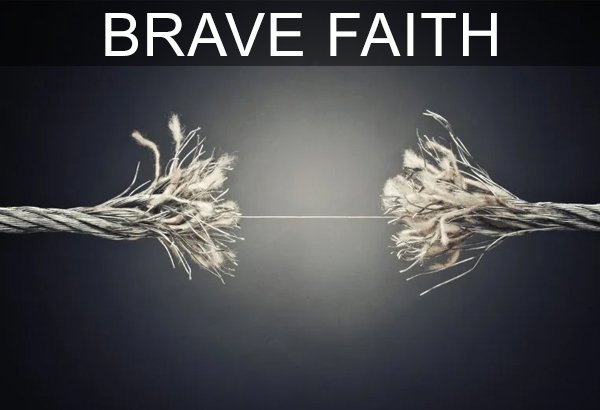
I’ve been sitting with that thought for a while because it explains more of my disappointment with God than I’d like to admit. I have expectations of how I think God will respond.
Not that my desires were wrong. They weren’t. I simply had a story in my mind of how I thought God would work. I assumed faithfulness would lead to certain outcomes. I assumed obedience to be rewarded with easier circumstances. I assumed my prayers to be answered because they are reasonable. These are some of my favorite “supposed-to’s.”
And then life still smashed me.
Maybe you’ve been there too. You find yourself carrying not only the pain of what happened but also the pain of what was supposed to happen.
Somewhere in the middle of all that hurt, the question quietly changes from, “Why is this happening?” to, “God, where are You?”
At this point of soul hurt (again), I read some Ann Voskamp wisdom:
“In the middle of all our questions and quests to find the answer to the questions of pain and suffering, what emerges are two frameworks: the blame framework and the shame framework.
“The blame framework seeks to answer the problem of pain by asking all the questions: Was it his dysfunctional parents? Was it a malicious God? Was it the negligent, oppressive powers that be? Who is to blame for the ache of this pain?
“Wherever pain goes, blame stalks real close.
“And for those of us who claim to follow Jesus, who take all our blame to the Cross, it can be tempting to drop our cross and shift all the blame back onto God. It can be easy to live like we’ve cut a deal with God, like we’ve signed up to live good in exchange for nothing bad to happen to us. So when life turns and cuts deep, we’re ready to cut bait and bail, because God didn’t keep his end of the deal. It’s painfully tempting to scapegoat the Lamb of God.
“The shame framework shifts the questioning from deciding who to pin the blame on to pinning all the shame within: Where did I go so wrong to deserve this? How did I sin? How did I fail? How bad am I for things to be going this bad?
“Whatever begins with shame ends in soul-devastation.” –Ann Voskamp, Lived to Life, pp. 104-105
I know this soul devastation. I know this shame and blame game.
I’ve noticed something in myself that makes me wonder if it’s true for others too. Sometimes it’s easier to act out of my hurt than it is to sit quietly with it. It’s easier to become cynical than disappointed, easier to lash out than admit my heart is smashed.
I’ve also realized there’s a difference between feeling disappointed and choosing to build a life around disappointment. One is an honest response to loss. The other slowly becomes the lens through which I see everything—including God.
I am growing to trust this Larger Story God.
God’s posture is always the same.
We have given God human boundaries. We have given God human characteristics. This has put limits on God.
I’ve learned that my disappointment is often rooted in my expectations, my “supposed-to’s.” Somewhere along the way, I quietly decided how I thought God should act, when God should act, and what the outcome should be. But God is perfectly loving and just without being predictable. God is not following my script, and he isn’t obligated to fulfill the expectations I’ve placed on him.
When I come face-to-face with the reality that I’m not in control of my life—and certainly not in control of God—disappointment is inevitable. I grieve not only what happened but also the future I imagined would happen. Yet those disappointing moments are often God’s invitation to trust him more deeply. This is a trigger because I do have trust issues.
My disappointment in God is a form of grief. Grief hurts. I’m grieving who I’m learning God is not. In the Bible God himself give us language for lament.
What kind of God gives us language to complain to God about God?!!
I am drawn to this God. The kind of God who isn’t threatened by my honesty.
I have learned to complain to God about God and my love for God is stronger. My trust issues have lessened.
Sometimes I’m grieving a relationship that didn’t heal. Sometimes a dream that didn’t happen. Sometimes I’m grieving who I thought God would be in a particular situation. The beautiful thing is that God doesn’t ask me to pretend those losses don’t hurt.
Which is why I have saved this quote:
“These imprecatory psalms were a liberation to me because they finally told me the truth—that is, I belong to a God capable of holding the ugliest parts of my anger. I never prayed the same again. To be permitted an anger that is imperfect, that tells the truth about the revenge and terror I crave for those who do harm, allows me to see things in myself that might otherwise go unnoticed. So often wounds are invisible to or neglected by the world, and our anger must be hidden in order to belong or survive. It is very important that our belonging before God not depend upon our ability to hide or extinguish truths in us and about us. We must trust that our maker can look on our rage, and even our hatred, and perceive those stories, fears, and vulnerabilities that reside in us and have stirred us toward our present emotional expression. As we allow God to hold our rage, a sacred intimacy emerges.” –Cole Arthur Riley, This Here Flesh, p. 113-114
That phrase has stayed with me: a sacred intimacy emerges. My brave faith is full of this sacred intimacy that has kept my life going forward. This is where the beauty in my life is found. Sacred intimacy emerging are such beautiful words. I claim them.
How about you too?
Bonus: A blessing for you from the endearing Kate Bowler (who knows a thing or two about disappointment):
A Blessing for When You are Disappointed
“Blessed are you, dear one, when you don’t know if you can pray. Because even that very thought is the beginning of prayer, whether you know it or not.
“Blessed are you when you are disappointed, when you have prayed and hoped and wished, and still your cry for help goes unanswered. Blessed are you in the grip of the radical honesty that says, God what are you doing? Why don’t you answer? What is so hard about making something good happen, when I have laid it all out before you in all its terrible reality? Blessed are you, when you have lifted it all up to God and now must sit among the broken things and pray a one-word prayer of need. Help. Save. Come.
“Blessed are you still there before God amid the unanswered prayers. For you are not alone. No. There is one who has come to feel what you feel, to suffer what you have borne. And this Jesus comes right to the heart of your pain. That’s the place he knows best. And desires to transform with the blazing light of healing love. That’s the only thing that makes the difference. That can drag you and me from the place of unrest.
“Blessed are you, sweet child. Daring to ask, God, help me trust you even if you never tell me why. Then settling yourself into the reality that God’s hands are the safest place to be. And you pray again, Into your hands, O Lord, I commend my spirit. Hide me in the shadow of your wings.” –Kate Bowler, Good Enough, pp. 137-138


Comments
Trackbacks & Pingbacks
[…] their prayers to be answered in a specific way or to bring about desired outcomes. When these expectations are not met, it can lead to doubts and a loss of trust in […]