

Why Trying Harder Isn’t the Answer to Real Change
Consider the mess we’re in.
There is a massive industry built around self-help books promising self-control, discipline, and powering through to change. Every year there’s a new one. Or a hundred new ones. And yet most of us are still stuck in the same patterns.
That’s because change is more than willpower.
When we try to power through change our brains don’t move into growth mode, they move into survival mode.
In survival mode your brain scans for immediate relief, reaching for the familiar neuropathways already carved by habit. Fight or flight kicks in. Cortisol rises. We’re not learning, we’re bracing.
Willpower language often turns into self-hate like “I’ll do better.” “I’ll muscle through.” “I’ll wake up earlier.” “I’ll be more disciplined.” And when it doesn’t work, we assume the problem is us which turns into self-hate.
Change was never meant to work that way. Self-control isn’t about feeling miserable. Nor should it lead to self-hate.
Will power, self-talk, and powering through operate at the level of explicit belief. Explicit belief is conscious and declared. It’s what we say out loud. Explicit beliefs are beliefs we choose to believe. We learn. We study. We buy books. You really want to live what you believe.
Implicit beliefs are at another level. They are beneath awareness. Implicit belief shapes instincts, reactions, and emotional responses without being consciously stated. Someone can explicitly say, “I am an overcomer” and implicitly live with self-hate.
Implicit beliefs show up in the body through habits, posture, tone, stress responses. They are often formed early, through experience, not logic. They can contradict what we explicitly profess and still quietly run our lives. These beliefs live deep in the gut. We feel it in the gut.
Sometimes we don’t even know they’re there, so we develop coping mechanisms. Sometimes those coping mechanisms look like faith. But implicit beliefs are powerful because they drive lived reality.
Implicit beliefs cannot be healed by reading a book about shame, listening to podcasts, or studying more. The implicit shame lives at an implicit level. Even if your mind believes the explicit truths, you don’t believe it. You don’t feel the love of God. You don’t trust God. It is not because you have heretical theology. Your implicit gut is broken.
The good news is your implicit gut can be healed. God made us for healing and restoration.
We try to use our willpower to make massive changes to our lives. To lean on our explicit beliefs. Your own willpower is not sufficient enough to stop those bad habits.
When we try to make massive changes through sheer determination, such as New Year’s resolutions or all-or-nothing plans, this activates the brain’s threat system, not its learning system. Your brain goes into survival mode, not growth mode. The amygdala starts scanning for danger. Pressure rises. Motivation drops. The brain isn’t lazy–it’s protective.
Pressure is not fertile ground for growth. Trying harder shocks the nervous system in all the wrong ways. We end up exhausted, anxious, and ashamed. And shame never produces lasting change.
Change doesn’t fail because we lack discipline. It fails because the nervous system doesn’t trust sudden change.
So the better question becomes: What does my nervous system need to feel safe enough to grow?
The answer is small, deliberate tweaks. These are the brave decisions.
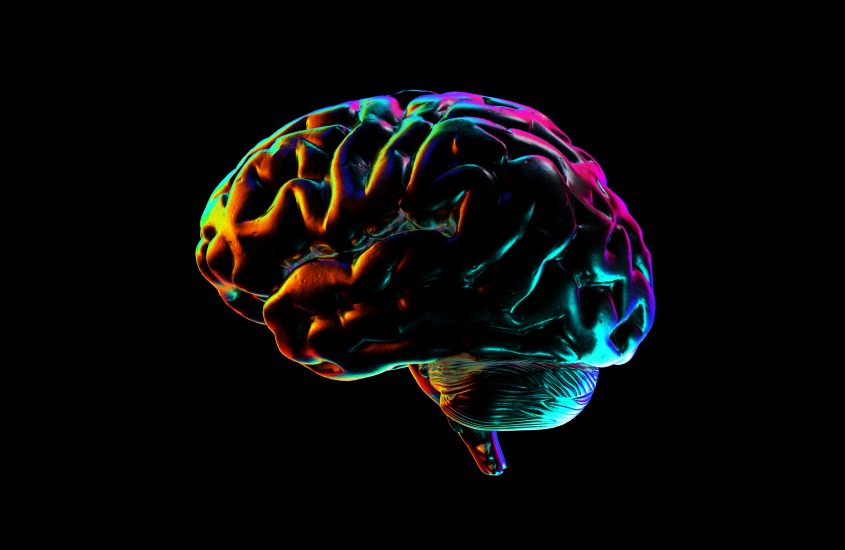
Lasting growth depends on neuroplasticity, the brain’s ability to rewire over time. And neuroplasticity thrives in specific conditions:
- Safety
- Gentle starts
- Realistic expectations
- Repetition
- Predictability
- Your gift of people
There is no frenzy, no rush, no big moves. Just transformation over time.
This is why “tree time” matters. Formation takes time. Studies suggest it takes around 66 days of consistent repetition for new behaviors to become more automatic. 66 days. Not a burst of motivation, but small, deliberate tweaks practiced daily.
Your gift of people matter. You learn the safety of God’s trustworthy love from people.
This is also where the Holy Spirit comes in. The Holy Spirit is the relational part of the Trinity. As part of the Trinity, the Spirit is the one who makes God’s love personal, not theoretical. The Father loves you. The Son shows that love in his life and sacrifice. And the Holy Spirit brings that love into you—into your thoughts, emotions, wounds, and hopes. The Holy Spirit is the presence of God who doesn’t just stand over you but comes close enough to breathe life into you. The Holy Spirit doesn’t bypass our brains. The Holy Spirit works through them, aligning rewiring with the restoration God made our brains to do.
Reading the Bible, according to surveys, shows dramatic increases in kindness to neighbors and overall life flourishing.
Going to church weekly, not monthly!!!, shows dramatic increases in kindness to neighbors and overall flourishing.
These are all small, deliberate tweaks.
From God’s view, you are not called to fix yourself. You are called to abide in God. We grow in God’s trustworthy love.
We get this from John 15:4 NLT, Remain in me, and I will remain in you.
Many Bible translations use the word abide here. Synonyms for abide are: stay, remain, linger, wait, dwell, tarry, reside, rest, lodge, sojourn, pause, stick around. (Don’t those words warm your tired soul?) Abiding is incremental, intentional, and repeatable. Abiding is where real change takes root. Abiding is working with the brain instead of against it.
The relational Holy Spirit works inside of us, through the beauty of neuroplasticity. Neuroplasticity allows the brain to rewire those old pathways by pairing new, healing experiences with consistent practice.
This is small, deliberate tweaks. This is abiding.
Healing implicit beliefs is a process of bringing what is hidden into the light and allowing God to reshape it. What does my nervous system need to feel safe enough to grow? This involves people. You must trust some people enough so they see you. Trust the ones you are noticing who are not avoiding you.
So instead of asking, “What’s wrong with me that I can’t try harder?” Ask, “What small, deliberate tweak might help my nervous system feel safe enough to grow?” Make these brave decisions.